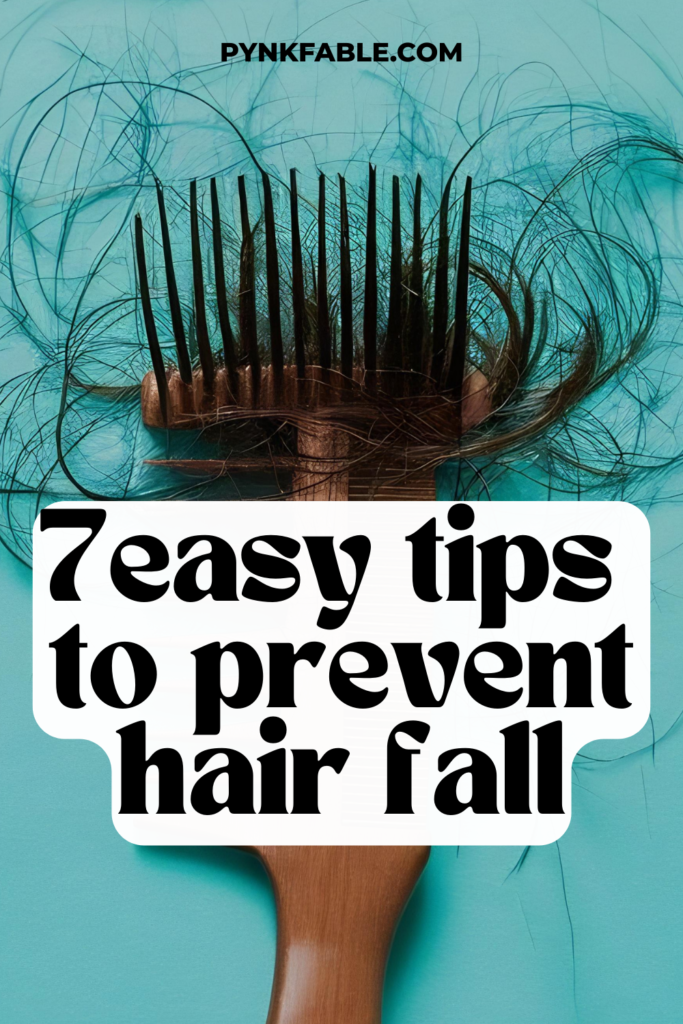

If you’ve ever stood over your shower drain, staring at a clump of hair and feeling a wave of panic, you aren’t alone. In fact, research shows that at least one-third of women will experience significant hair loss at some point in their lives. While society often frames “balding” as a men’s issue, the reality for women is just as complex and often much more emotional.
The good news? Your hair isn’t just a lost cause. Unlike some forms of permanent hair loss, many women experience “non-scarring” thinning, meaning the follicles are still alive and just need the right “wake-up call” to start growing again. But to fix it, you need to stop guessing and start using strategies that actually work.
Here is your ultimate, no-nonsense hair guide to stopping the shed and reclaiming your crown.
Is it Shedding or Breakage?
Before you buy a single bottle of shampoo, you need to play detective. Not all “hair fall” is created equal.
- Shedding: Look at the strand. If there is a tiny white bulb at the end, that hair came from the root. This is often due to internal factors like stress, hormones, or diet.
- Breakage: If the hair is shorter and has no bulb, it snapped mid-shaft. This is usually due to “mechanical” damage—heat, bleach, or rough handling.
Most women have a bit of both. By soothing your scalp to stop shedding and “babying” your lengths to stop breakage, you can see a visible difference in your hair’s thickness in about 6 to 12 weeks.
7 Tips to Stop the Shed Today
1. The “Sulfate-Free” Swap
Most traditional shampoos use Sodium Lauryl Sulfate (SLS) to create that satisfying foam. However, SLS is a harsh surfactant that strips your scalp of natural oils, making your strands brittle and prone to snapping.
Switch to a sulfate-free cleanser. If you have thinning hair, look for “peptide” shampoos. Peptides act as the building blocks for hair proteins, helping to produce stronger, more resilient strands right from the source.
2. Master the Scalp Massage (with a Secret Ingredient)
A happy scalp is non-negotiable for healthy hair. Spending 2–3 minutes a day massaging your scalp with your fingertips can help boost circulation. For those who enjoy natural oils, rosemary oil is a popular choice, some research suggests it may support hair density, and it’s often gentler on the scalp than chemical alternatives. It’s a simple, nature-based way to complement your regular hair care routine.
3. Eat for Density, Not Just Fullness
Your hair is the last part of your body to receive nutrients because it isn’t “essential” for survival. If you are dehydrated or nutrient-deficient, your body will “steal” resources from your hair to keep your organs running.
- Iron: Deficiency is a leading cause of thinning in women. Boost your levels with spinach, prunes, or lean meats.
- Vitamin B12: Essential for oxygenating hair follicles. Find it in eggs, fish, and dairy.
- The Selenium Warning: While Brazil nuts are great for hair, don’t overdo it. Too much selenium can actually cause hair to fall out. Stick to one or two a day.
4. Ditch the “Snatched” Styles
We all love a slicked-back bun, but “tension” is a silent hair killer. Tight ponytails and cornrows pull on the follicle, eventually causing “traction alopecia,” where the hair stops growing entirely due to constant tugging.
Switch to silk scrunchies or claw clips. Also, consider sleeping on a silk pillowcase. Unlike cotton, which creates friction and “tugs” at your hair while you toss and turn, silk allows the hair to glide, significantly reducing morning breakage.
5. The “Cortisol” Connection
When you are stressed, your body releases cortisol. This hormone can literally push your hair follicles out of the growth phase and into a “resting” phase all at once. This is why you might notice a massive shed three months after a stressful event.
Practicing just 10 minutes of deep breathing or yoga isn’t just “wellness” talk—it’s a biological necessity for your hair. Lowering your stress levels helps keep your hormones in balance, ensuring your hair stays in the “growth” phase for longer.
6. Protect Your Scalp from the Sun
We remember sunscreen for our faces, but we often forget our scalps. UV rays can damage hair follicles and make the hair you do have dry and discolored. If you’re spending the day outside, wear a hat or use a scalp-specific SPF spray to prevent sun-induced thinning.
7. Stop the “Nervous” Habits
Are you a hair-twirler? Many women have “nervous” habits of twisting, rubbing, or pulling on certain sections of their hair without realizing it. This constant friction weakens the hair shaft. Being mindful of these habits can save those fragile strands around your face from unnecessary breakage.
4 Products That Actually Work For Hair fall
If tips and lifestyle changes aren’t enough, it’s time to bring in the heavy hitters. These four categories of products are backed by clinical data to help women regain hair density.
1. Minoxidil (Topical or Oral)
Minoxidil is a widely used treatment for hair thinning. It’s available over-the-counter as a topical solution in 2% or 5% strengths. Some studies also explore low-dose oral minoxidil for women who prefer alternatives to topical foams, though this should always be discussed with a healthcare professional. It can take several months to see results, so patience is key.
2. Saw Palmetto
In some women, hair thinning can be linked to sensitivity to a hormone called DHT, which can affect hair follicles. Saw Palmetto is a natural extract that research suggests may help reduce DHT activity. Some studies indicate it could support hair density, particularly in women experiencing menopause. It’s a gentle, nature-based option that some people explore alongside other hair care routines.
3. Low-Level Light Therapy (LLLT)
If you prefer a drug-free approach, FDA-cleared ‘Laser Combs’ or ‘Laser Helmets’ use red light to support healthy hair follicles. By giving cells extra energy (ATP), they may help maintain a longer growth cycle. While they can be an investment, they’re a nice way to complement other at-home hair care routines.
4. Exosome Therapy
If you’re curious about newer beauty-tech treatments, you might have heard of exosomes. Unlike PRP (platelet-rich plasma), which uses your own blood, exosomes are tiny signaling molecules derived from stem cells.
Some clinics use them alongside microneedling or in-office procedures to support the scalp environment. Early research looks promising for certain types of hair thinning, but this is still an emerging treatment, so it’s best discussed with a qualified dermatologist.
What to Expect
One of the biggest reasons women fail to stop hair fall is because they give up too soon. Hair biology moves slowly.
- Weeks 1-4: You might actually see more shedding. Don’t panic! This is often “good” shedding, where the old, weak hairs are being pushed out by new, stronger ones.
- Month 3: You should notice “baby hairs” or “fuzz” along your hairline.
- Month 6: This is when you (and your hairstylist) will notice real, measurable density and thickness.
When to See a Professional
While home remedies and products help many people, sudden or patchy hair loss can sometimes point to an underlying health issue, like thyroid imbalance, iron deficiency, or conditions such as alopecia areata. If you notice clearly defined bald spots or scalp discomfort, it’s best to check in with a dermatologist or trichologist for proper guidance.
Final Thought: Your hair doesn’t define your worth, but it certainly impacts your confidence. By switching to gentle products, feeding your body the right nutrients, and being patient with the process, you can stop the drain from winning and start loving your hair again.
Did you find this post on how to stop hair fall in women helpful? We’d love if you shared it on Pinterest.